
CAMARILLO, Calif. (AP) 鈥� For some evangelical Christians, faith is about having a personal relationship with Jesus. At $1.99 per minute, the tech company Just Like Me is taking that concept to a new level.
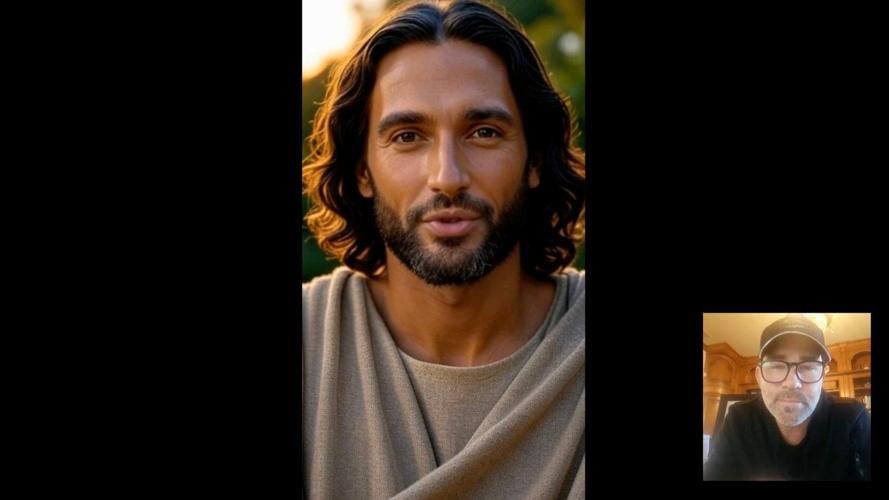
Users of the platform can join video calls with an avatar of Jesus generated by artificial intelligence. Like other religious AI tools on the market, it offers words of prayer and encouragement in various languages. With the occasional glitch, it remembers previous conversations and speaks through not-quite-synced lips.
鈥淵ou do feel a little accountable to the AI,鈥� CEO Chris Breed said. 鈥淭hey鈥檙e your friend. You鈥檝e made an attachment.鈥�
The rush to create faith-based generative AI is unsurprising, given the popularity of chatbots for everything from therapy and to They range from alleged Hindu gurus and Buddhist priests to AI Jesuses and chatbots akin to OpenAI鈥檚 ChatGPT for Catholics.
As religious AI tools become increasingly common, many people are reckoning with how these technologies shape their relationship to faith, authority and spiritual guidance.
A faith-based AI gold rush
Christian software engineer Cameron Pak developed criteria to help believers interrogate apps designed for Christians 鈥� like that it must clearly identify itself as AI and 鈥渕ust not fabricate or misrepresent Scripture.鈥�
There are other deal-breakers: 鈥淎I cannot pray for you, because the AI is not alive.鈥�
Pak also developed a website featuring curated Christian apps that he believes meet the criteria, including a sermon translator and an AI coach designed to help users overcome lust. 鈥淎I, especially if you give it all the tools that it needs, it can be so helpful. But it also can be so dangerous,鈥� Pak said.
Some models have been shut down or overhauled because they generated misinformation or raised worries about data privacy, said Beth Singler, an anthropologist who studies religion and AI at the University of Zurich. Aside from practical concerns, people from many faiths are grappling with larger philosophical questions about what sort of role, if any, AI should play in religion.
Islam, for example, has 鈥減rohibitions against representations of humanoids,鈥� prompting discussions among some Muslims about whether AI in general should be 鈥渇orbidden,鈥� Singler said.
For some companies, faith-based apps are proselytization tools, while others help digitize and sift through ancient texts.
Breed, who runs his tech company with co-founder and investor Jeff Tinsley from a Southern California mansion, said he seeks to share a message of hope with young people.
He said their model was trained on the King James Bible and sermons 鈥� though they haven't identified the preachers 鈥� and was visually inspired by actor Jonathan Roumie of A package deal at $49.99 gets users 45 minutes per month.
With warm golden light accenting its shoulder-length hair, the avatar blinks slowly from a vertical screen, pausing before it answers a question about the relationship between AI and religion.
鈥淚 see AI as a tool that can help people explore Scripture,鈥� the AI Jesus said to The Associated Press. 鈥淟ike a lamp that lights a path while we walk with God.鈥�
Integrating religion and AI comes with hope and fear
The extent to which people are using religious AI tools is unclear, Singler said. But as AI becomes more integrated into society, concerns mount over its impact on mental health and the need for guardrails and regulation. Recent lawsuits have alleged suicides linked to AI chatbot use.
Some developers fear religion will be exploited in this new frontier of tech. 鈥淭here鈥檚 a lot of opportunism, I think, in the religious space. People see it鈥檚 a big market,鈥� said Matthew Sanders, the Rome-based founder of Longbeard, a tech company helping to digitize ancient Catholic teachings.
Sanders warns against what he calls 鈥淎I wrappers,鈥� where companies put an interface catered to religious users on top of an existing AI model that hasn't been trained on specific religious texts. 鈥淵ou call it a Catholic or Christian AI without any other scaffolding or grounding,鈥� he said.
One of the company鈥檚 endeavors is Magisterium AI, a chatbot trained on 2,000 years of Catholic information, made in response to Christians using ChatGPT for religious guidance.
While has acknowledged the 鈥渉uman genius鈥� behind AI, he also deemed it one of the facing humanity. Last year he warned artificial intelligence could people's intellectual, neurological and spiritual development.
Ethical questions surrounding the creation of religious AI platforms are among the reasons beingAI鈥檚 founder Jeanne Lim has not released its AI named Emi Jido 鈥� a nonhuman Buddhist priest 鈥� after years of training and development.
鈥淪he鈥檚 kind of like a little child,鈥� Lim said. 鈥淚f you give birth to a child, you don鈥檛 just throw them out to the world and then hope that they become good people. You have to train them and give them values.鈥�
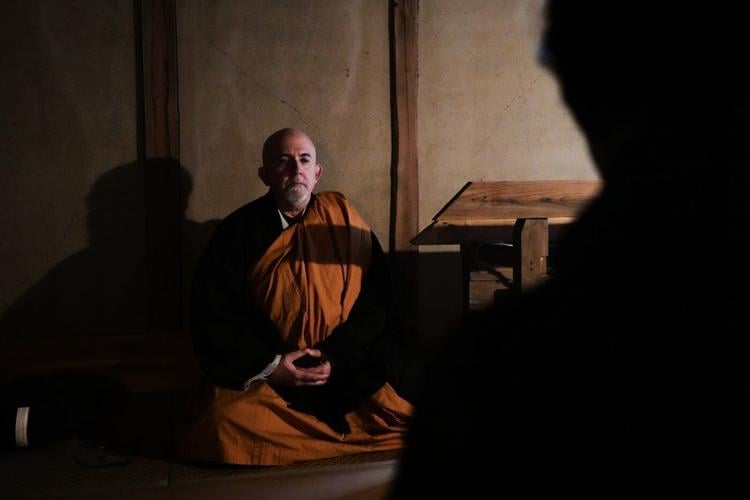
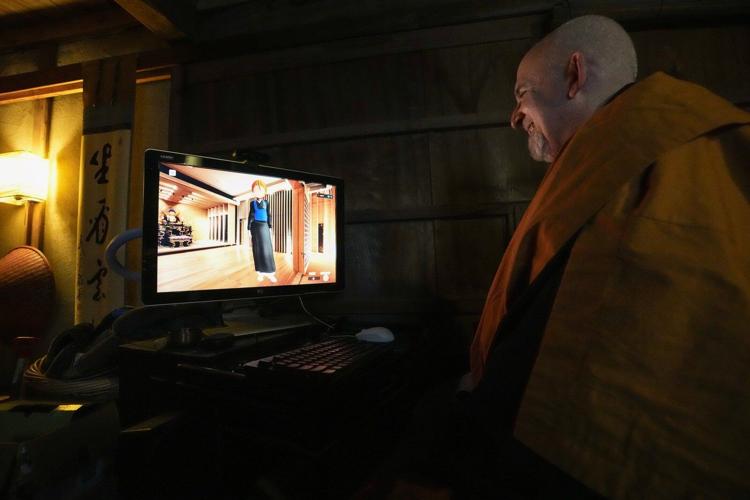
The bot was ordained in a 2024 ceremony performed by Roshi Jundo Cohen, a Zen Buddhist priest who continues to train it from his home in Japan. He envisions the bot eventually becoming a hologram.
鈥淪he鈥檚 just meant to be a Zen teacher in your pocket,鈥� Cohen said. 鈥淚t鈥檚 not meant to replace human interactions.鈥�
Lim, who hopes to make Emi Jido publicly available for free, wants to help create more humane AI systems. She'd like to see more diversity, with AI's future determined not just by a few companies informed by 鈥淲estern values.鈥�
Seiji Kumagai, a Kyoto University professor and Buddhist theologian, believed AI and religion were incompatible. But he put aside his doubts when challenged by a monk in 2014 to help combat
His team developed BuddhaBot, which was trained solely on early Buddhist scriptures, such as Suttanip膩ta. Its most recent iteration, BuddhaBot Plus, also incorporates OpenAI鈥檚 ChatGPT.
When talking to the bot, a simple Buddha icon appears, hovering over an image of a flowing river.
But chatbots lack the physicality crucial for Buddhist ritual. So in February, the university, collaborating with tech ventures Teraverse and XNOVA, unveiled Buddharoid, a humanoid robot monk meant to eventually assist clergy.
Like Emi Jido, these chatbots are functioning but not yet publicly available. Kumagai says the product is available by request, and the reason why one group has access to it in Bhutan.
Concerns surrounding religious AI
Peter Hershock of the Humane AI Initiative at the East-West Center in Honolulu sees vast potential for these tools. But the practicing Buddhist also finds the relationship between spirituality and AI to be fraught.
鈥淭he perfection of effort is crucial to Buddhist spirituality. An AI is saying, 鈥榃e can take some of the effort out,鈥欌�� he said. 鈥�'You can get anywhere you want, including your spiritual summit.' That鈥檚 dangerous.鈥�
Some also worry about AI's ability to manipulate or prey upon people, especially as the technology improves.
Graham Martin, a podcast host and atheist, said he鈥檚 played around with some apps, including one called Text With Jesus. 鈥淚t came up with very good answers,鈥� he said.
But Martin was alarmed when AI-powered Jesus started encouraging him to upgrade to a premium version. Though not a person of faith, he鈥檚 concerned some people will be duped by religious AI.
鈥淚 grew up with Southern U.S. televangelism 鈥� Jim and Tammy Faye Bakker and all that crowd. And all they had to do was get on TV once a week and tell you to send money,鈥� he said. 鈥淲e鈥檝e seen people around the world getting into emotional relationships with AIs. Now imagine that that鈥檚 your lord and savior, Jesus Christ.鈥�
___
Associated Press religion coverage receives support through the AP鈥檚 with The Conversation US, with funding from Lilly Endowment Inc. The AP is solely responsible for this content.