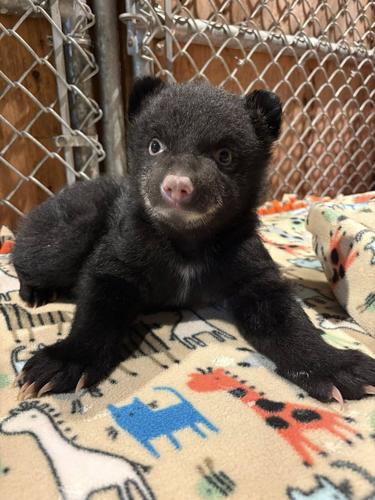
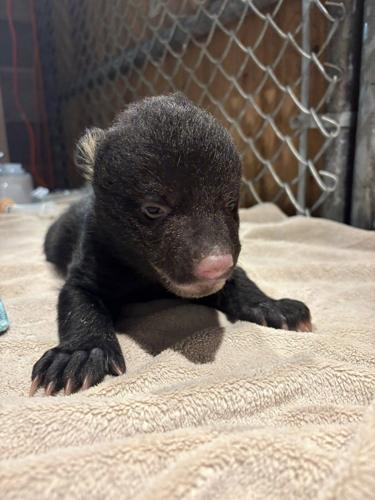
North Island Wildlife Recovery Centre, a not-for-profit organization that cares for the well-being of wildlife on Vancouver Island, B.C., says it has admitted two young orphaned black bear cubs. THE CANADIAN PRESS/Handout-North Island Wildlife Recovery Centre (mandatory credit)
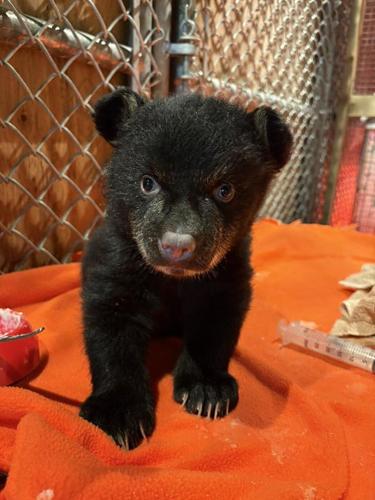
North Island Wildlife Recovery Centre, a not-for-profit organization that cares for the well-being of wildlife on Vancouver Island, B.C., says it has admitted two young orphaned black bear cubs. THE CANADIAN PRESS/Handout-North Island Wildlife Recovery Centre (mandatory credit)
North Island Wildlife Recovery Centre, a not-for-profit organization that cares for the well-being of wildlife on Vancouver Island, B.C., says it has admitted two young orphaned black bear cubs. THE CANADIAN PRESS/Handout-North Island Wildlife Recovery Centre (mandatory credit)
North Island Wildlife Recovery Centre, a not-for-profit organization that cares for the well-being of wildlife on Vancouver Island, B.C., says it has admitted two young orphaned black bear cubs. THE CANADIAN PRESS/Handout-North Island Wildlife Recovery Centre (mandatory credit)
NS
North Island Wildlife Recovery Centre, a not-for-profit organization that cares for the well-being of wildlife on Vancouver Island, B.C., says it has admitted two young orphaned black bear cubs. THE CANADIAN PRESS/Handout-North Island Wildlife Recovery Centre (mandatory credit)
NS
North Island Wildlife Recovery Centre, a not-for-profit organization that cares for the well-being of wildlife on Vancouver Island, B.C., says it has admitted two young orphaned black bear cubs. THE CANADIAN PRESS/Handout-North Island Wildlife Recovery Centre (mandatory credit)
ERRINGTON - A wildlife sanctuary on Vancouver Island has taken in two young black bear cubs after their mother was found dead in their den.聽
North Island Wildlife Recovery Centre says in a Facebook post that the cubs were discovered by members of the public and they are the centre's first intakes of 2026.聽
The recovery centre, located in Errington, northwest of Nanaimo, says in the statement that it's believed the mother was killed in a predator attack.聽
It says that it's always unfortunate when wildlife need its care, but they are "grateful these cubs were found and given a second chance."
Since their arrival, the centre says the two cubs have grown "leaps and bounds" from just 1.5 kilograms to almost 5.5 kilograms, and continue to put on weight quickly.聽
It says most B.C. black and brown bears hibernate for four to six months a year, emerging around April, although Vancouver Island bears may come out earlier because of the milder climate.聽
This report by 国产诱惑福利 was first published April 6, 2026.