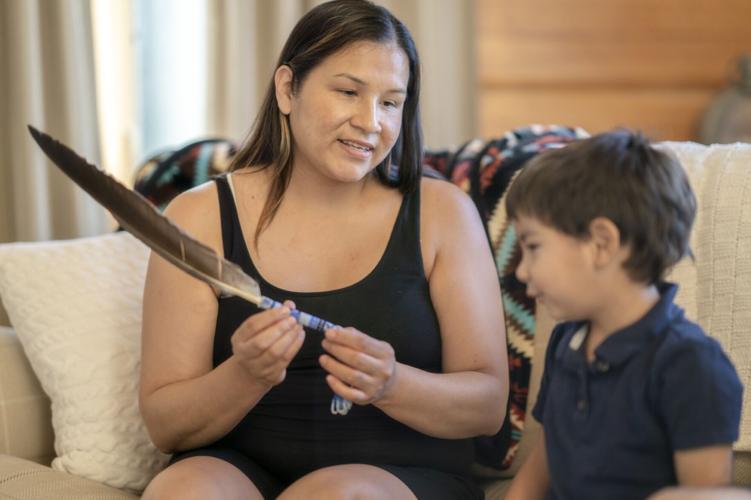
For many Indigenous families and communities, access to financial services and economic opportunities has long been shaped by structural barriers and historical inequities. In the banking sector, change is underway, as credit unions work to advance Truth and Reconciliation. GETTY IMAGE
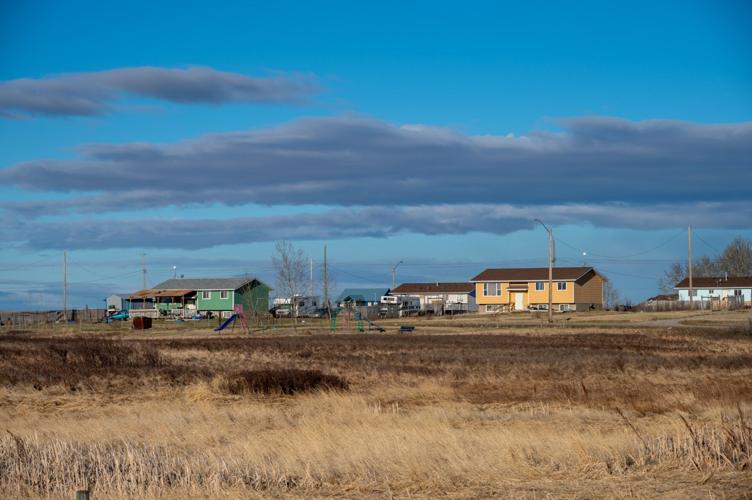
Accessing financial services in remote communities is a challenge for many Indigenous peoples in Canada. These communities often have no bank branches and rely on local stores to cash cheques, typically with high fees. Credit unions are responding by offering full-service branches and mobile banking services to some of these regions. GETTY IMAGE
For many Indigenous families and communities, access to financial services and economic opportunities has long been shaped by structural barriers and historical inequities. In the banking sector, change is underway, as credit unions work to advance Truth and Reconciliation. GETTY IMAGE
For many Indigenous communities, access to financial services and economic opportunities has long been shaped by structural barriers and historical inequities. In the banking sector, change is underway, as credit unions work to advance Truth and Reconciliation.
As noted in the Canadian Credit Union Association (CCUA) report Towards Equitable Futures: Credit Unions鈥� Commitment to Indigenous Reconciliation, credit unions are uniquely positioned to contribute to reconciliation through financial inclusion, economic development, education and awareness, meaningful partnerships and inclusive workplaces.
Across Canada, those commitments are taking shape through credit unions鈥� co-operative model, which is rooted in local community and partnerships.
Building relationships at the 鈥榮peed of trust鈥�
At Tru Cooperative Bank, based in Langley, B.C., advancing truth starts with education. Employees can access a course available through CCUA called 4 Seasons of Reconciliation, which provides foundational knowledge on the history, culture and realities of Indigenous peoples.
Learning also extends to building relationships in communities. 鈥淭hat鈥檚 where the groundwork lies, first and foremost: making sure we鈥檙e engaging with our nations in a holistic way,鈥� says Danya Shima, reconciliation and inclusive workplace advisor at Tru Cooperative Bank.
鈥淚t鈥檚 about getting out into the community鈥攚ith invitation鈥攇oing to friendship centres, sitting with elders and slowing it down,鈥� Shima says. 鈥淲e need to work at the speed of trust.鈥�
Tru Cooperative Bank鈥檚 employee network group, the Indigenous Peoples Circle, works to advance reconciliation work. A key initiative is participation in the Moose Hide campaign, an Indigenous-led grassroots movement to engage men and boys in ending violence toward women and children.
Throughout the year, Tru offers banking clinics, financial literacy and digital security seminars in Indigenous communities, including tailored support for elders who may be new to digital banking or youth building financial skills for the first time. 鈥淚t鈥檚 about showing up continually and building that trust,鈥� Shima says.
Accessing financial services in remote communities is a challenge for many Indigenous peoples in Canada. These communities often have no bank branches and rely on local stores to cash cheques, typically with high fees. Credit unions are responding by offering full-service branches and mobile banking services to some of these regions. GETTY IMAGE
Expanding access in rural and remote communities
For Saskatoon-based Innovation Federal Credit Union, Truth and Reconciliation spans increasing Indigenous employment, building relationships with Indigenous communities and making banking more accessible, especially in areas where geography can be a barrier. This work is rooted in meaningful consultation, which is central to Truth and Reconciliation Commission鈥檚(TRC) call to action 92.
鈥淲e went up to 脦le-脿-la-Crosse, a community in northern Saskatchewan that鈥檚 predominantly a M茅tis community,鈥� says Dean Gagn茅, chief disruption and growth officer at Innovation. 鈥淚n that process, we talked to community leaders. We didn鈥檛 come in with, 鈥榟ere's what we鈥檙e going to do for your community.鈥欌�� Rather, he says the approach was 鈥渨hat does your community need and how can we best work with you to serve the needs of your community?鈥�
Those consultations led to the opening of an advice centre inside a local co-operative store in 2023. The following year, Innovation opened a second advice centre in La Loche, a village in northwestern Saskatchewan. The full-service branches offer cheque deposits and cash services, lending products, ATM services and access to virtual and in-person advisors.
Gagn茅 says these communities previously had no bank branches and relied on local stores to cash cheques, typically with high fees. 鈥淭hey were using the local gas station or the grocery store as their banking services because they would have to drive 45 minutes to get access to a branch,鈥� he says.
Innovation also operates Door-Step Banking鈥攁 mobile banking initiative that brings banking information, advice and services to Northern communities and remote residents.
Supporting the meaningful economic participation of Indigenous people is another important area. This includes lending directly to nations, financing small businesses and supporting economic development activities. 鈥淲e have one premise: It鈥檚 got to be a triple win,鈥� says Gagn茅. 鈥淚t鈥檚 got to be a win for the nation. It鈥檚 got to be a win for the people of the nation and it鈥檚 got to be a win for Innovation and partners.鈥�
Supporting Indigenous businesses
Economic participation is also a focus at Toronto-based Meridian Credit Union. Its Indigenous Business and Community Banking platform was developed through engagement with Indigenous partners to better support Indigenous entrepreneurs, businesses and communities with tailored financial solutions and relationship based banking.
A key focus for Meridian is addressing systemic barriers within financial services, including the development of an Indigenous credit procedures framework to support lending on reserve鈥攁n area historically constrained by federal legislation such as the Indian Act.
鈥淲e鈥檝e done the work in terms of developing internal policy for our credit teams and our lending teams so that they understand how to work within the parameters of the Indian Act,鈥� says Brayden Harper, manager of Indigenous relations and community development. 鈥淭his enables us to offer loans to Indigenous communities and get them what they need to grow.鈥�
The credit union also supports Indigenous entrepreneurs through its Small Business Big Impact Awards, which feature a dedicated Indigenous category with a $10,000 award.
This year, Meridian also launched a no-fee chequing account for Indigenous members. 鈥淧roducts are not the solution, but they鈥檙e part of the step,鈥� says Harper. 鈥淲e鈥檙e providing a tailored service offering and saying to Indigenous people and communities, 鈥榳e are listening and we are learning and we are acting.鈥欌��
Regardless of size or jurisdiction, credit unions across Canada are advancing their own reconciliation journeys in meaningful ways. These efforts reflect a shared commitment to building stronger relationships with Indigenous peoples and communities. For a more comprehensive overview and additional examples of reconciliation initiatives from across the credit union sector, view CCUA鈥檚 reconciliation report .