






WASHINGTON (AP) 鈥� A congressional subcommittee on Thursday held a roundtable discussion on the potential of artificial intelligence, which took a turn toward the existential as each lawmaker aired their anxieties about the rapidly evolving technology.
Rep. James Walkinshaw, D-Va., expressed alarm that to handle sensitive government data. Rep. William Timmons, R-S.C., asked whether it should be illegal for AI systems to use someone鈥檚 likeness to create pornographic images.
Rep. John McGuire, R-Va., expressed concerns that AI systems could deny U.S. military forces from taking lethal actions due to a model's conclusion for 鈥渕oral鈥� behavior. And Rep. Yassamin Ansari, D-Ariz., raised concerns about the Trump administration鈥檚 use of AI in the war with Iran, the technology鈥檚 intensive energy usage and its potential effects on the climate.
While members of Congress elsewhere debated other major topics 鈥� the scope of the federal government鈥檚 surveillance powers, the war with Iran and funding the Department of Homeland Security 鈥� the House Oversight Committee鈥檚 subcommittee roundtable on 鈥淎rtificial Intelligence and American Power鈥� brought executives of AI firms, academics and those implementing AI at major companies together with lawmakers.
Thursday鈥檚 discussion comes as leaders on Capitol Hill grapple with the dizzying pace of global developments in which technology plays a central role. But the conversation quickly considered the potential for artificial intelligence to dwarf every other challenge facing the country.
鈥淧eople in our districts across this country are going to start feeling impacts very soon, and if we don鈥檛 start thinking properly and aggressively and proactively about the challenges that AI creates, I fear that we鈥檙e going to have a revolution on our hands,鈥� said Rep. Dave Min, D-Calif.
The subcommittee鈥檚 ranking Democrat, Rep. Maxwell Frost of Florida, also expressed optimism about AI鈥檚 ability to cure diseases and boost the economy. But Frost, currently the youngest member of Congress, worried that the technology would outpace lawmakers and pose potentially disastrous consequences if not addressed early on.
鈥淚 don鈥檛 have faith in this institution to actually put the common sense guardrails in place. And then we fast forward ten years, and the house is on fire,鈥� said Frost. 鈥淭hat won鈥檛 be good for anybody, whether it鈥檚 the industry or working families and people, or this institution itself.鈥�
Rep. Eric Burlison, R-Mo., kicked off the meeting with praise for the industry and marveled at how one panelist鈥檚 company used AI to automate and fast-track manufacturing in the firm鈥檚 factories.
鈥淚t鈥檚 truly like the closest thing to Star Trek I鈥檝e ever seen,鈥� Burlison said. He later inquired about what congressional districts should do to attract AI firms for business.
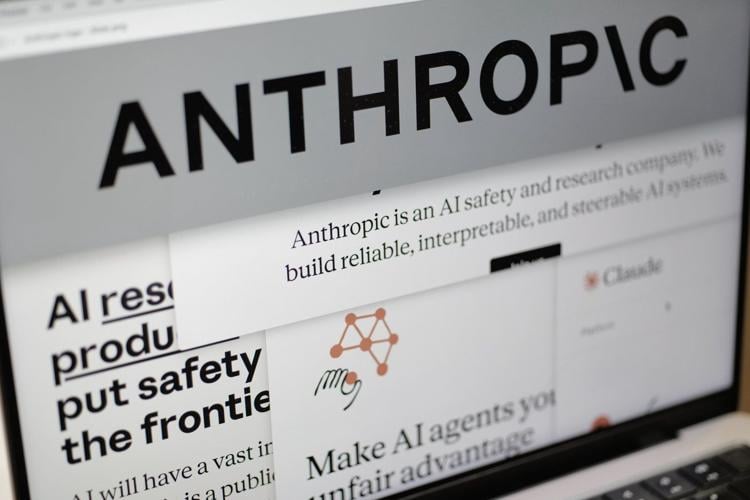
Many also openly fretted about disclosures from technology firms like Anthropic, which recently announced that its , which the company claims has capabilities so powerful that it is limiting its use to select customers because of its apparent ability to bypass traditional cybersecurity and hack major institutions like banks, government agencies and major corporations.
鈥淚 recognize AI is not going anywhere,鈥� said Rep. Eli Crane, R-Ariz., a former Navy SEAL who served in combat. 鈥淭hat being said, does anyone on this panel feel or believe, in any way, that as we are going down the road in this AI race, we might be simultaneously engineering our own destruction?鈥�
The assembled experts and industry leaders all highlighted AI鈥檚 vast and growing capabilities. They urged lawmakers, alongside their policy recommendations, to be thoughtful and well-informed when making policy.
Mark Beall, president of government affairs at the AI Policy Network Inc. and a former Pentagon official, warned that Congress risked the country losing its competitive edge on AI if it did not act on key national security concerns.
鈥淚 don鈥檛 think it鈥檚 going to kill us,鈥� Robert Atkinson, founder of the Information Technology and Innovation Foundation, a technology think tank, told lawmakers.
鈥淎t the same time, I do think it鈥檚 important for the federal government to seriously fund AI safety research,鈥� Atkinson continued. 鈥淲e need to know a lot more about how the models work.鈥�
Spencer Overton, a George Washington University law professor, said the incentives for AI companies 鈥渁re really what they should be鈥� when asked by lawmakers whether the firms were good actors.
鈥淐onstituents are looking for you, not for companies, to step up and protect them," Overton said. "They鈥檙e trusting you, the person that they voted for, to do that, as opposed to companies. That鈥檚 the way the system works, right?鈥�