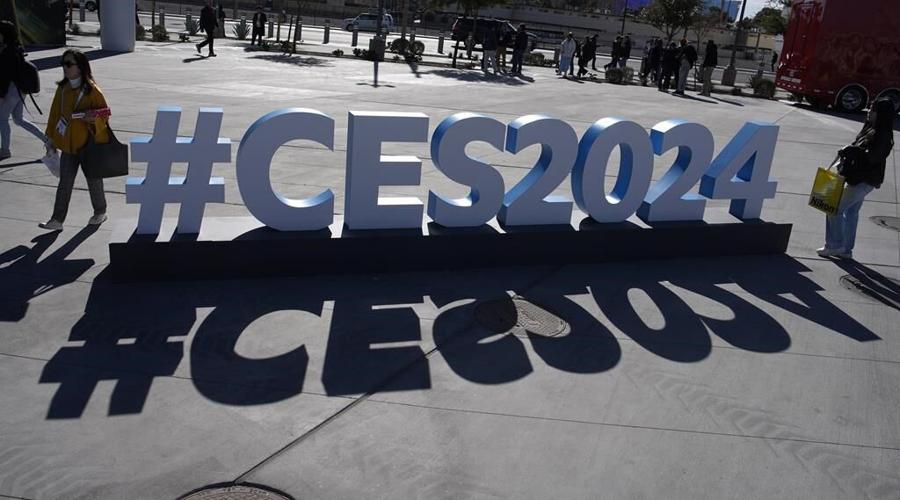


The best CES products pierce through the haze of marketing hype at the Las Vegas gadget show to reveal innovations that could improve lives.
The worst could harm us or our society and the planet in such 鈥渋nnovatively bad鈥� ways that a panel of self-described dystopia experts has judged them 鈥淲orst in Show.鈥�
The third annual contest that no tech company wants to win announced its decisions Thursday.
AND THE AWARD GOES TO
鈥淔rom easily hackable lawn mowers to $300 earbuds that will fail in two years, these are products that jeopardize our safety, encourage wasteful overconsumption, and normalize privacy violations,鈥� says the group of consumer and privacy advocates judging the awards. The contest has no affiliation with CES or the trade group that .
They made the choices based on how uniquely bad a product is, what impact it could have if widely adopted and if it was significantly worse than previous versions of similar technology. The judges represent groups including Consumer Reports, the Electronic Frontier Foundation and advocates iFixit.
DANGEROUS CARTECH
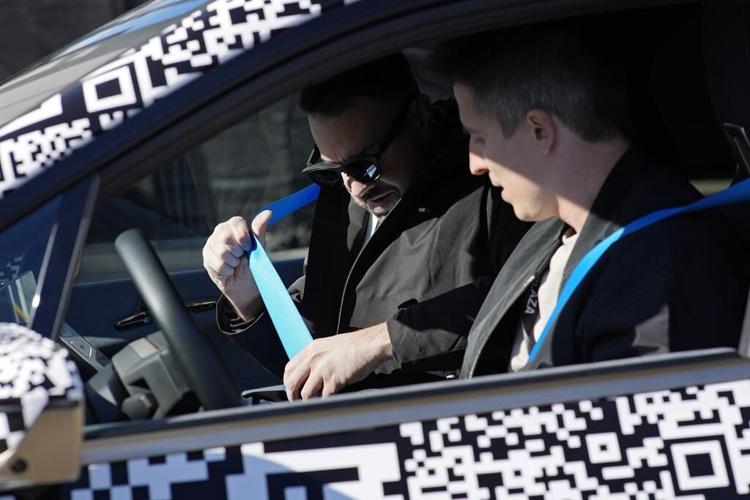
is annually a big focus at CES. And two brickbats were awarded to carmaker BMW, one of those involving a partnership with Amazon's voice assistant Alexa.
Powered by a large language model 鈥� the type of AI system behind chatbots like ChatGPT 鈥� Amazon says an Alexa 鈥渃ar expert鈥� will be able to provide 鈥渜uick instructions and answers about vehicle functions in a much more human, conversation-like manner, and even act on your behalf.鈥�
Being able to ask Alexa to unlock the front door or turn off the porch light sounds convenient.
But what if it's being
鈥淲e have seen an increasing number of horrific stories where people, generally women, who are trying to escape abusive domestic situations end up having their cars serve as tracking and abuse vectors,鈥� said a 鈥淲orst in Show鈥� judge's comment from Cindy Cohn, executive director of the Electronic Frontier Foundation.
She added: 鈥淎lexa and BMW 鈥� and frankly all of the car companies who are racing to turn our cars into tracking devices 鈥� need to ensure that victims can turn this off."
BMW Group spokesperson Jay Hanson said the company designed and delivered the voice assistant with privacy in mind and customers have the choice of whether they want to use it.
鈥淏MW and Amazon share a strong commitment to maintaining customers鈥� trust and protecting their privacy, including giving them control over their data,鈥� he said in an email Thursday.
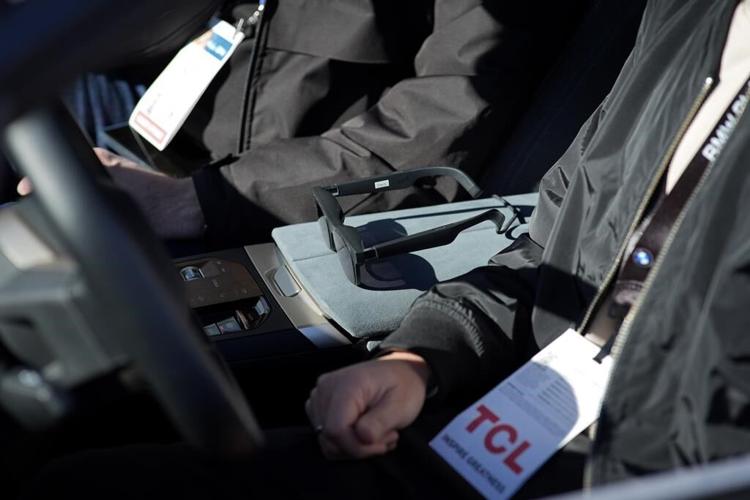
BMW is also showcasing augmented-reality glasses designed by Xreal that are supposed to overlay helpful information and virtual objects that you'll see ahead of you as you're driving. Another judge called it a "recipe for distracted driving" that also could pave the way for a future of vision-obscuring ads.
Hanson said the augmented reality experience demonstrated at CES was a showcase of 鈥減otential use cases鈥� that could aid or entertain people but that minimizing driver distraction remains a key principle in what BMW rolls out to customers.
EARBUD DUDS
German audio electronics-maker Sennheiser showcased the fourth generation of its Momentum True Wireless ear headphones, which are usually known to last for a while.
But iFixit CEO Kyle Wiens says the latest $300 earbuds are a 鈥渂etrayal of the brand鈥� because they're too disposable, with three separate batteries that will likely fail after a few years and can't easily be replaced.
鈥淪tart by selling batteries and releasing repair instructions,鈥� he wrote. "Then work on making the battery easier to swap.鈥�
Sennheiser didn鈥檛 immediately respond to a request for comment.
WHO ASKED FOR MORE GROCERY ADS?
Nathan Proctor, the national campaign director for U.S. PIRG, a consumer advocacy group, selected as his 鈥淲orst in Show鈥� the new video ads on Instacart's .
General Mills, Del Monte Foods and Dreyer鈥檚 Grand Ice Cream are among the companies that will advertise on the carts during an upcoming pilot at West Coast stores owned by Good Food Holdings.
Equipped with cameras and sensors, the cart has a screen that will share real-time recommendations based on what customers put in the cart, like advertising ice cream if a customer buys cones.
鈥淚t uses historic shopping behavior to push junk foods you鈥檝e bought before,鈥� Proctor wrote. "Grocery stores are overwhelming and navigating promotions is exhausting, and I question the sanity of whoever thought we should make it worse.鈥�
Instacart didn鈥檛 immediately respond to a request for comment.
ROBOT VACUUMS AND 鈥楳ACROWAVES鈥�
The cybersecurity 鈥淲orst in Show鈥� went to China-based robot vacuum-maker Ecovacs. Robotic vacuums are nothing new, but Paul Roberts of Secure Repairs says the new X2 Combo combines all the elements for intrusive home surveillance 鈥� cameras, microphones, LiDAR, voice recognition and computer vision that can recognize objects 鈥� without any guarantee that its unencrypted images or video feed can't be hacked.
The environmental impact 鈥淲orst in Show鈥� went to one of many internet-connected showcased at CES 2024. Revolution Cooking's $1,800 鈥渕acrowave鈥� combines a microwave with a convection oven but such trendy gadgets are typically short-lived and encourage people to trash the simpler appliances they already have, according to Shanika Whitehurst of Consumer Reports.
鈥淎dding electronics to perfectly functional appliances dramatically increases their environmental impact, requiring vast amounts of resources and energy,鈥� she wrote.
Revolution Cooking and Ecovacs didn't immediately respond to requests for comment.