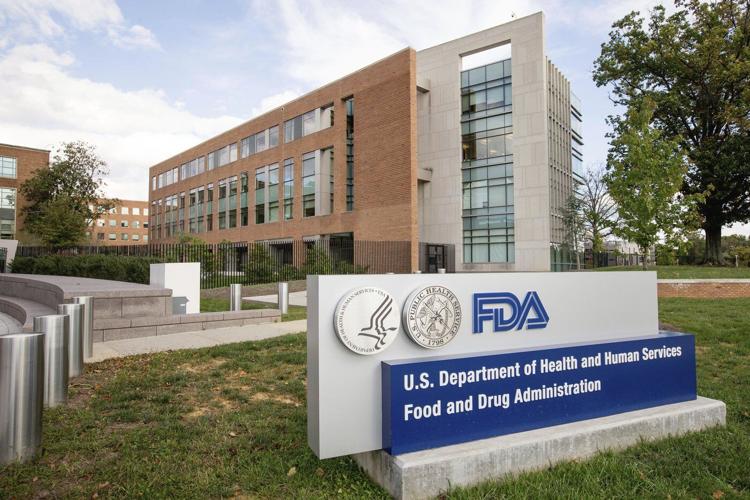

WASHINGTON (AP) 鈥� When the Food and Drug Administration needs outside guidance, it normally turns to a trusted source: a large roster of expert advisers who are carefully vetted for their independence, credentials and judgment.
But increasingly, the agency isn鈥檛 calling them.
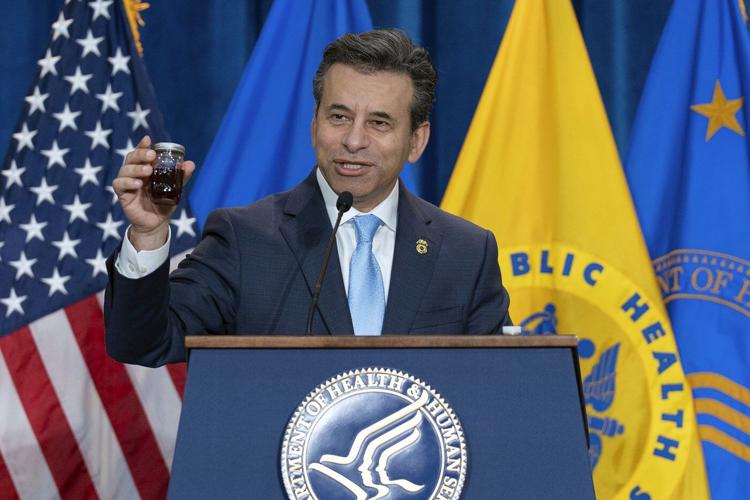
Instead, has launched a series of ad hoc to discuss antidepressants, menopause drugs and other topics with physicians and researchers who often have contrarian views and financial interests in the subjects.
Former agency officials worry the meetings are skirting federal rules on conflicts of interests and transparency, while promoting fringe viewpoints that align with those of .
鈥淭hese meetings are a chance to advance RFK's pet peeves 鈥� , antidepressants, 鈥� with people who have been handpicked,鈥� said Dr. Peter Lurie, a former FDA official who is now president of the Center for 国产诱惑福利 in the Public Interest. 鈥淣obody would put forward these panels as representing the general scientific opinion on these topics.鈥�
A spokesperson for Kennedy did not answer specific questions about the panels, but said they represent an effort to 鈥渁pply rigorous, evidence-based standards to ingredient safety and modernize regulatory oversight.鈥�
The panels kicked off in May with a meeting on talc, the soft mineral sometimes added to makeup, and other consumer goods. The meeting echoed alleging talc has contributed to ovarian cancer and other illnesses, and included two experts who testified in those cases.
Under FDA regulations, the ingredient is still considered safe when carefully tested for the presence of asbestos. And federally funded studies haven't shown a link to cancer.
A July meeting on the safety of antidepressants during pregnancy also featured doctors who have testified in class action lawsuits, alongside other experts who allege the drugs cause autism, birth defects and other conditions 鈥� links that are not supported by science.
The meeting concluded with all but one of the experts calling for a new boxed warning 鈥� the most serious type 鈥� about antidepressant risks for mothers and developing babies.
A meeting on took the opposite approach: Experts urged the removal of a long-standing warning.
Most of the physicians at that meeting prescribe the hormones or are involved with a pharmaceutical industry campaign opposing the warning label.
Nearly 80 researchers sent a letter to the FDA this month objecting to the 鈥渢wo-hour meeting of hormone proponents鈥� and calling for an official advisory committee meeting.
Advisory panels operate under strict rules
The FDA has more than 30 panels composed of experts specializing in , , food ingredients and other products.
Their meetings are subject to strict government transparency rules in terms of scheduling, panel composition and disclosure of any financial conflicts. A comment period open to the public is also required. Additionally, FDA scientists usually publish a detailed memo explaining their position on the topic.
The latest FDA meetings haven鈥檛 included those elements.
Former FDA lawyers say the agency could expose itself to legal challenges if it tries to use Makary's informal panels as the basis for regulatory decisions.
But that may not be the aim of the meetings.
鈥淭hey seem more designed as a forum to put a stamp of approval on predetermined opinions,鈥� said Genevieve Kanter, a health policy specialist at the University of Southern California. 鈥淭he information in these panels could be used in litigation and presented as coming from experts or representing some intellectual consensus that doesn鈥檛 exist.鈥�
Antidepressants meeting aired unfounded claims
Antidepressants have long been a target of Kennedy, an attorney and outspoken critic of pharmaceutical companies. During his he suggested, without evidence, that the drugs contribute to school shootings.
The FDA鈥檚 recent session cataloged many unsubstantiated theories about the drugs, often based on animal studies, including that they contribute to autism, birth defects and miscarriages.
Several participants had served as expert witnesses against drugmakers, including in lawsuits alleging that they cause homicidal behavior. All but one of the other panelists have criticized the drugs in books, articles, interviews or other forums.
鈥淚t鈥檚 never been possible to identify a group of people who do particularly well on antidepressants,鈥� said Dr. Joanna Moncrieff, a British psychiatrist, author and co-founder a group critical of mainstream psychiatric medicine.
The American College of Obstetricians and Gynecologists called the panel 鈥渁larmingly unbalanced鈥� and full of 鈥渙utlandish and unfounded claims.鈥�
Antidepressants carry pregnancy warnings about risks of excess bleeding and lower birth weight for newborns.
But psychiatric experts say those risks are far outweighed by the well-documented harms of untreated depression in mothers, which can lead to pregnancy complications, substance abuse and suicide.
鈥淚 tell people I鈥檓 working with that the best thing they can do for themselves and their baby is to get the treatment that they need,鈥� said Dr. Nancy Byatt of University of Massachusetts' Chan Medical School.
Financial conflicts at menopause meeting
FDA has not disclosed how panelists were selected for the meetings. Last month's session on hormone therapies for menopause included doctors who consult for drugmakers or promote the medications in their practices.
The views they expressed largely echoed those of Makary, who has argued that current warning labels overstate hormone therapy risks and don鈥檛 reflect possible benefits for some women, such as reducing heart disease and cognitive decline.
鈥淗ormone replacement therapy for women is basically a modern-day miracle,鈥� Makary told a podcast host last year.
But guidance from the FDA and other top federal authorities specifically advises against using the drugs to prevent chronic conditions due to a lack of clear benefit. The drugs are only FDA-approved for specific menopause symptoms, including hot flashes.
Discussions around hormone therapy reflect ongoing debate about a landmark study of two different hormone regimens in more than 26,000 postmenopausal women. The research was halted more than 20 years ago because scientists discovered that the risk of serious health problems outweighed the benefits. All estrogen drugs still carry boxed warnings about the higher rates of stroke, blood clots and cognitive problems among women taking the medications.
But some doctors 鈥� including those at FDA鈥檚 meeting 鈥� say the warnings are exaggerated and should be removed from at least some products, such as low-dose creams typically used for vaginal dryness. Makary raised the possibility of also removing the warning from higher-dose pills, patches and sprays.
It鈥檚 unclear whether the FDA will move ahead with those changes or heed calls for an official advisory meeting 鈥� a step that Kennedy's critics say would be in keeping with his pledge for 鈥渞adical transparency.鈥�
鈥淚f you really wanted to be transparent about these issues you鈥檇 put together a balanced panel of experts, who have been carefully screened for conflicts and you鈥檇 invite the public in,鈥� Lurie said. 鈥淏ut that鈥檚 the antithesis of what鈥檚 going on in these cases.鈥�
___
The Associated Press Health and 国产诱惑福利 Department receives support from the Howard Hughes Medical Institute鈥檚 国产诱惑福利 and Educational Media Group and the Robert Wood Johnson Foundation. The AP is solely responsible for all content.