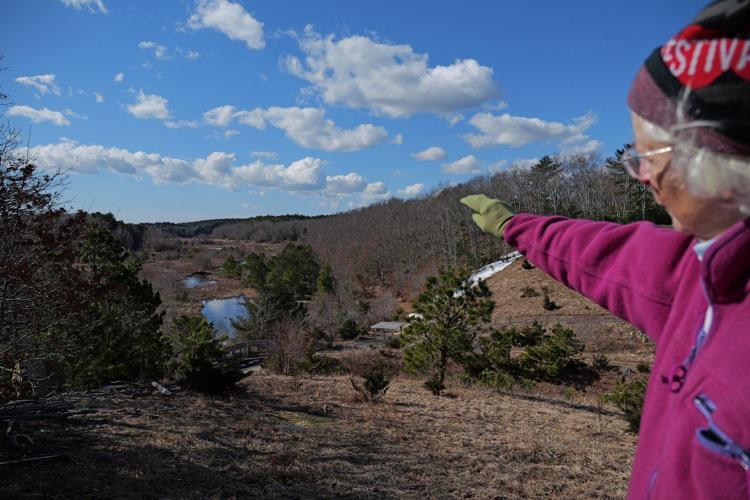
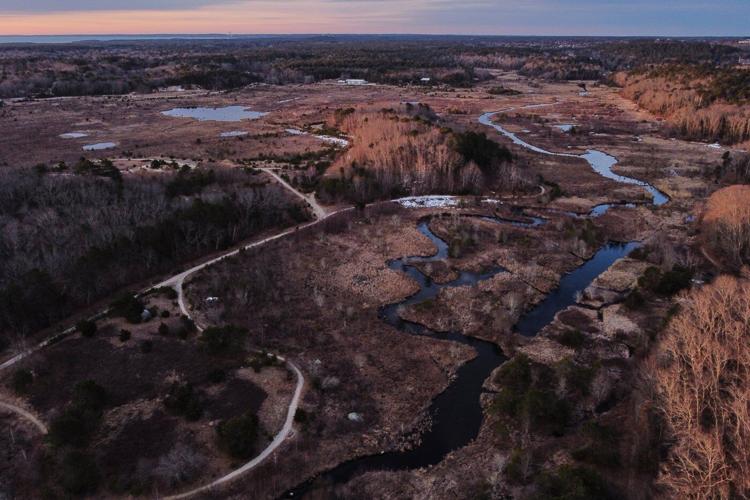
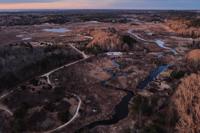
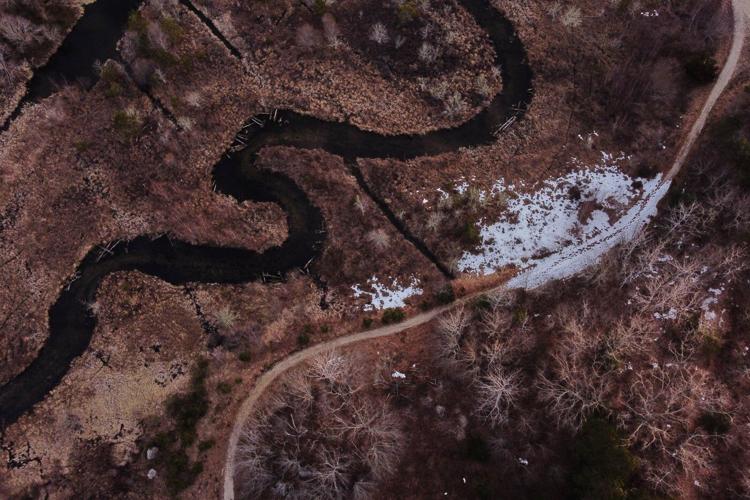
PLYMOUTH, Mass. (AP) 鈥� Glorianna Davenport looks out at hundreds of acres of protected wetlands that were once her family鈥檚 cranberry farms. In her hands are laminated pictures of striking red cranberry bogs fed by razor-straight water channels. It鈥檚 hard to believe the land where she stands 鈥� full of sinuous streams, wildlife, moss and tall trees 鈥� once looked so different.
The land鈥檚 transformation, documented through a network of cameras and sensors, offers a playbook for wetland restoration as from New England to Wisconsin because of and other factors. The crop requires cold winters and plenty of water, but warmer temperatures and are challenging harvest seasons.
Settlers in Plymouth were among the first to farm this native New England crop, and since then cranberry farms have been passed down through families for centuries.
鈥淔or many of these farmers, it鈥檚 their life savings and what they want to pass on to their children,鈥� Davenport says. 鈥淚t鈥檚 very complicated.鈥�
Land that Davenport and her husband sold for restoration, now known as Tidmarsh Wildlife Sanctuary, has set an example as the single largest freshwater restoration project in Massachusetts. Together with researchers, technologists and artists, she has created a living laboratory for conservation science. The cameras and sensors provide live, publicly available data showing how the land is recovering its natural biodiversity.
___
EDITOR鈥橲 NOTE: This story is a collaboration between the MIT Graduate Program in 国产诱惑福利 Writing and The Associated Press.
___
Scientists who studied the sanctuary and an adjacent town preserve that鈥檚 also on her family's former farmland have published peer-reviewed studies documenting the changes. Lessons learned at Tidmarsh also helped the state launch a cranberry bog restoration program to connect farmers with nonprofits, which will either buy the land to restore it or help them take on a restoration project themselves.
Nature lovers have found other creative uses for the data: Once, birdwatchers took audio data of a bird call from several microphones to triangulate a bird鈥檚 location. Some users play wetland sounds for ambience in their bedrooms or offices.
Restoring the land
To make restoration possible at Tidmarsh, over 20,000 native plant species were planted, several old dams removed and new waterways dug. Excavators sifted through sandy soil degraded by more than a century of cranberry production that formed a thick, hard layer over the natural freshwater wetlands the farms were built on.
Ecologists who believed cranberry farmland to be 鈥渆cologically dead鈥� saw a wetland emerge instead. Within just a year of the restoration work that began in 2010, the sandy soil began to sprout.
A of sites including the Foothills Preserve in Plymouth, land that was also once part of Davenport鈥檚 farm, by researchers at the Woodwell Climate Research Center and the University of Connecticut suggested the sand at Tidmarsh held long-dormant native seeds that just needed to be mixed with peat to germinate. Similarly, a of Tidmarsh and other restored sites 鈥� including an earlier, smaller restoration in Plymouth known as Eel River Headwaters 鈥� found that water retention, soil health and microbial communities improved rapidly in just a few years.
鈥淲e discovered that former cranberry farms were actually highly restorable,鈥� says Beth Lambert, director of the Massachusetts Division of Ecological Restoration.
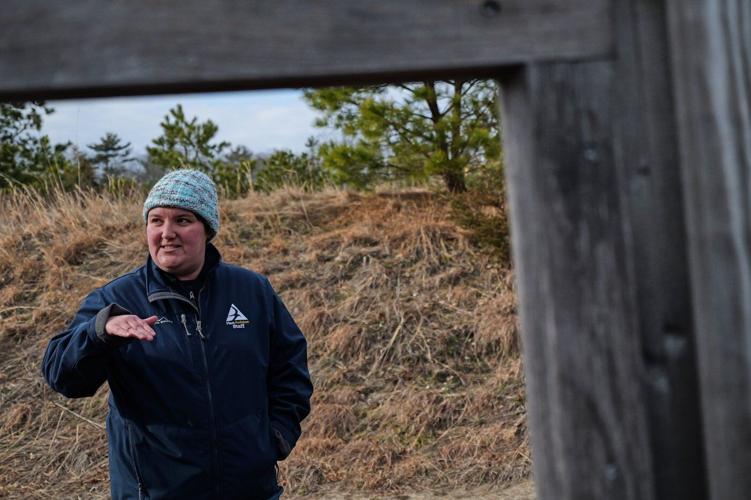
The results of the transformation are on display during tours given by Mass Audubon, the conservation organization that bought and manages most of the land at Tidmarsh. Kim Snyder, the group鈥檚 education coordinator, leads groups ranging from birdwatchers to schoolchildren on field trips.
鈥淎 lot of Plymouth residents who have been here a long time remember it as a cranberry farm,鈥� Snyder says.
Setting an example
Lambert says Tidmarsh helped launch the state鈥檚 Cranberry Bog Restoration Program, which can provide technical assistance and connect farmers to federal funding and conservation-minded buyers. Today, the state has helped complete construction on nine restoration projects totaling around 500 acres (202 hectares) and 10 miles (16 kilometers) of stream habitat. And 11 additional projects spanning another 500 acres are currently in planning stages. Lambert says she aims to have restored another thousand acres in the next 10 to 15 years.
According to the United States Department of Agriculture, the number of retired cranberry farms in Massachusetts grew by about 40% between 2017 and 2022.
It鈥檚 not a given that farmers will choose to sell their lands for conservation purposes. They can sell to other buyers to develop. Or they could let the land languish, taking decades to return to a wild, productive ecosystem.
鈥淚f we don鈥檛 conserve, if we don鈥檛 protect these lands that 鈥� owners are walking away (from), we lose it forever,鈥� Davenport says.
A now-retired filmmaker, Davenport believes that the more research on wetland restoration she supports, the more knowledge can be communicated to the public 鈥� which could inspire other restoration projects launching elsewhere.
That belief led her to create the , a nonprofit group that describes itself as a 鈥渓earning collaborative鈥� for researchers, artists and others to document how former cranberry farms recuperate.
Through the network of sensors 鈥� which monitor conditions from soil moisture to temperature 鈥� and live cameras, the Living Observatory created a trove of data on how to restore cranberry farms. The project鈥檚 website now houses data from multiple restoration sites in the state beyond Tidmarsh.
Gershon Dublon, a data and systems researcher and director of the board of the Living Observatory, said researchers were grateful for a fairly simple tool: a centralized place to access the data and add their own. After the success at Tidmarsh, ecologists from as far as the Amazon rainforest reached out to Living Observatory asking for their input on how to deploy a similar bespoke sensor network in their work, Dublon says.
Climate-resilient landscapes
Wetland restoration projects and the knowledge gained from them are important tools in the fight against climate change, says climate scientist Christopher Neill at the Woodwell Climate Center. Wetlands work as barriers that soak up water from floods and storms, Neill says. According to , extreme precipitation is becoming more common in the Northeast.
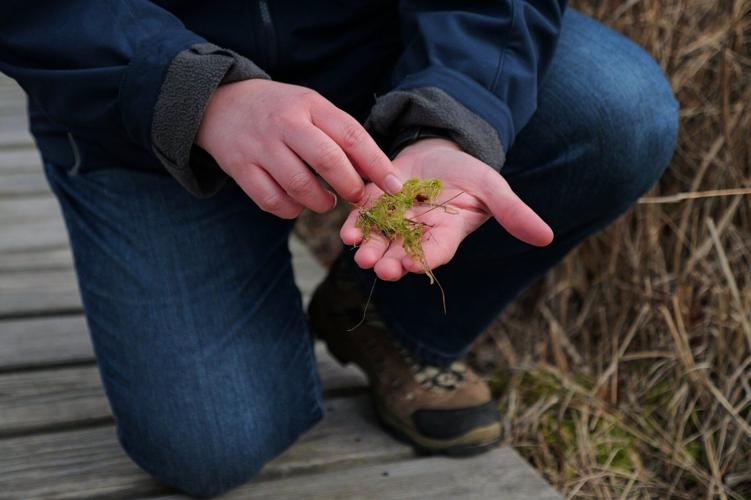
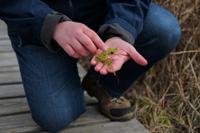
At Tidmarsh, one example of that resilience is sphagnum moss growing next to a mile-long boardwalk. Snyder likes to tell visitors about its antimicrobial properties. The moss also absorbs and stores planet-warming carbon dioxide.
鈥淚t鈥檚 a great property to show 鈥� the scope of restoration work,鈥� she says, smiling.
The changes at Tidmarsh, a farm that had been owned by her husband's family, give Davenport hope. Native pitcher plants grow in clusters in the wetlands. Insects drone over running brooks. Her boots sink on the mushy, wet ground. Those were sounds she never heard on the farm before.
鈥淭he quiet goal is, can we make a dent in the amount of land that鈥檚 put in conservation?鈥� Davenport says.
___
This story has been updated to correct that Davenport did not grow up on the farm and to clarify that she and her husband sold the land.
___
The Associated Press鈥� climate and environmental coverage receives financial support from multiple private foundations. AP is solely responsible for all content. Find AP鈥檚 for working with philanthropies, a list of supporters and funded coverage areas at .