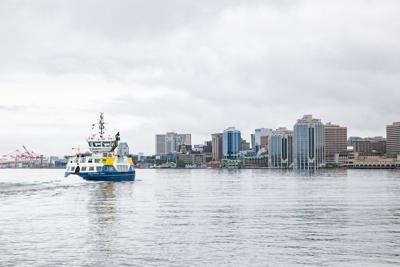

HALIFAX - International immigration to Canada is slowing but newcomers still helped six Atlantic cities grow more than the national average last year.聽
A new report says there was an average of 1.7 per cent population growth between July 2024 and July 2025 in Moncton, N.B., Fredericton, Saint John, N.B., Halifax, Charlottetown and St. John鈥檚, N.L. That鈥檚 about 22,000 new people.聽
It鈥檚 less than the 2024 average growth rate of those six cities 鈥� 4.2 per cent 鈥� says the report from the Atlantic Economic Council, but it's still almost double the 2025 Canadian average of 0.9 per cent.
After years of elevated immigration, the federal government has begun to cut back the number of newcomers across the country, especially temporary residents. Population growth is higher in Atlantic Canada's biggest cities because they have fewer non-permanent residents, such as international students and temporary foreign workers, than elsewhere in Canada, says Patrick Brannon, the council鈥檚 lead researcher.
鈥淭he scale-back hasn鈥檛 been quite as high here even though we have seen some pretty dramatic cuts, and we鈥檙e seeing a slower population growth because of it,鈥� Brannon said in an interview Tuesday.聽
The Atlantic region has seen an unprecedented population boom since the start of the COVID-19 pandemic. Increasing immigration numbers contributed, but it was also driven by people from other parts of Canada flocking to the region for cheaper housing amid the rise of remote work. The rapid growth has strained housing supply and infrastructure ranging from road systems to hospitals and schools.
That interprovincial population boom is now over, with the report saying net migration from other provinces to Atlantic cities was less than 200 people in 2025, the lowest amount in eight years.
Meanwhile, the federal government is cutting overall immigration. Canada hit a record of 483,000 newcomers in 2024. The number dropped to about 394,000 last year and the government is targeting between 385,000 and 370,000 between 2026 and 2028.聽
Ottawa committed in November to reducing the country鈥檚 temporary residents to less than five per cent of the population by 2027. Temporary residents made up about 7.5 per cent of the overall population in late 2024. In Atlantic Canada, the number of temporary residents was 4.6 per cent at the end of 2025, already below the federal target.聽
The region鈥檚 population continues to be one of the oldest in the country and, with reduced immigration and interprovincial migration, Brannon says there may soon be a labour crunch.
He says lower immigration is already putting pressure on university and provincial government budgets. The federal government, he said, should start increasing immigration to the region now, as it can take six months to a year for changes to work their way through the system.
鈥淲e see nationally policies developed for immigration that don鈥檛 consider the unique needs of Atlantic Canada,鈥� Brannon said.聽
鈥淲e have an older population here and I think that it鈥檚 important that we have an immigration system that supports our needs, not just the national needs.鈥�
Moncton led the region in population growth at three per cent between July 2024 and July 2025. Brannon says that鈥檚 partly because it has a smaller post-secondary sector than cities like Fredericton and Halifax, so it wasn鈥檛 impacted as much by foreign student cuts. Moncton and its surrounding area is now home to about 196,000 people.聽
Charlottetown was next at 1.7 per cent growth for a total population of 96,000.聽
Halifax and Fredericton were tied at 1.6 per cent growth. The Nova Scotia capital remains the biggest city in the region with 545,000 people. Fredericton has about 125,000.聽
The population of St. John鈥檚 rose by 1.3 per cent to 243,000.
Saint John saw growth of 1.1 per cent, the lowest of the six cities measured. It鈥檚 now home to about 144,000 people.
This report by 国产诱惑福利 was first published March, 24, 2026.