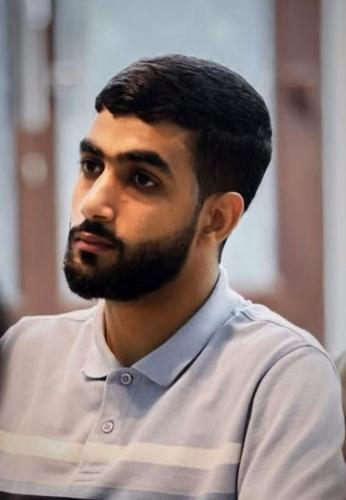
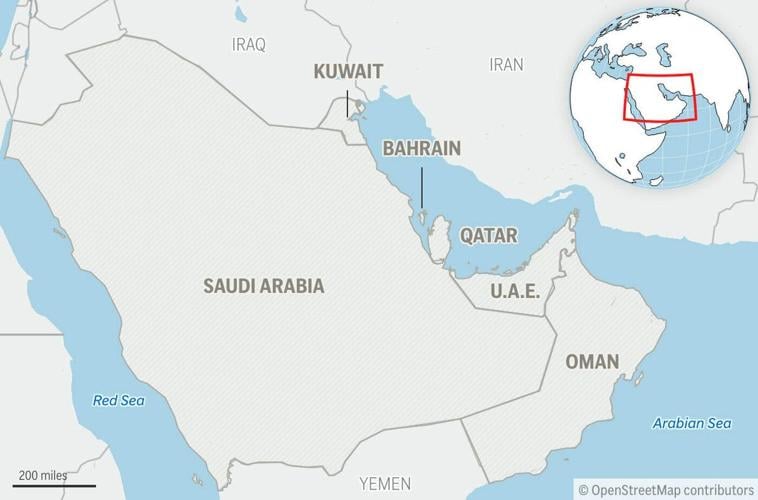
A man detained in Bahrain last month as the island kingdom came under missile attack from Iran vanished for days, until his family was called to retrieve his body from a military hospital.
Relatives said Mohamed al-Mousawi, a Shiite Muslim who had previously been imprisoned, was saving money to start a business. His body was returned covered in slash marks and bruising, including on the soles of his feet.
His death has become a flashpoint in the Sunni-ruled, Shiite-majority country on the war's front lines, where critics say authorities have revived tactics used to suppress .
Bahrain, a monarchy that hosts , has arrested dozens of people throughout the war for filming strikes and demonstrations, expressing support for Iran, and on suspicion of spying for it.
“They want to make sure nobody challenges the state’s narrative and silence any voices not telling the story (of the war) how they want it to be told,� said Sayed Ahmed AlWadaei of the London-based Bahrain Institute for Rights and Democracy.
Bahrain's Interior Ministry said al-Mousawi was arrested on suspicion of spying for Iran, allegations denied by his family, and that images of his wounds were “inaccurate and misleading.� Bahrain's government said in a statement that the country is defending its national security. It denied any sectarianism, saying authorities have acted lawfully and that independent bodies investigate allegations of abuse.
Signs of torture
Al-Mousawi served about 11 years of a 21-year prison sentence on charges including arson and belonging to a terrorist cell before being released in 2024 as part of .
A relative and a close family friend, who spoke to AP on condition of anonymity for fear of reprisals, said al-Mousawi disappeared on March 19 after attending prayers with two friends who also have not been seen since. Rights groups have long accused Bahrain of enforced disappearances.
On March 27, his family received a call to collect his body. The relative, who saw it at the morgue, said al-Mousawi appeared to have been whipped with cables. He said there were apparent electrocution burns, including behind his knees, and cigarette burns elsewhere on the body.
The AP separately reviewed images of al-Mousawi’s body, which bore marks described by a total of five witnesses who saw it in person. All spoke on condition of anonymity for fear of retribution.
Bahrain’s Interior Ministry said al-Mousawi had been held by the National Security Agency. As part of reforms following the 2011 protests, the domestic spy service was stripped of its powers to arrest over abuse allegations. But they were restored in 2017 as Bahrain deepened a long-running campaign to suppress dissent.
The Interior Ministry said images of “injuries sustained by the deceased are inaccurate and misleading and have been deliberately disseminated to mislead public opinion,� without elaborating.
The death certificate from the military hospital said he died of a heart attack. His family said the 32-year-old had no preexisting conditions.
Ahmed Banasr, a forensic expert with the New York-based Physicians for Human Rights, said the wounds in the images were consistent with blunt force trauma. Wounds on the soles of his feet help rule out other explanations, such as a fight or fall.
“The findings are highly consistent with alleged torture,� he said.
War aggravates long-standing grievances
Al-Mousawi was among dozens of Bahraini Shiites ensnared in a crackdown that critics say has escalated since Israel and the U.S. launched the war against Iran on Feb. 28.
Rights groups see the arrests and al-Mousawi’s death as a new phase in Bahrain’s long-running campaign of repression that reached a peak in 2011 as pro-democracy uprisings swept the region. That year, the ruling Al Khalifa family crushed mass demonstrations with help from troops from Saudi Arabia and the United Arab Emirates.
Periodic unrest has continued since, with the government casting the mostly Shiite protesters as Iranian proxies. Unlike other Sunni monarchies in the Gulf, Bahrain — like Iran — has a Shiite majority.
“It really remains to be seen how far the government is going to go in its crackdown on people,� said   , a Bahraini activist living abroad whose father is jailed in Bahrain. “What we’re seeing right now is definitely a lot more heavy-handed than we have in the past few years.�
Bahrain says it targets those who aid the enemy
Bahrain’s government said its security measures are “a direct and proportionate response� to Iran's attacks.
“The individuals arrested include those who filmed military and strategic sites during an active attack on Bahraini territory, those who passed sensitive information, and those who publicly expressed support for a state that had just launched strikes against Bahraini soil,� it said.
“To present arrests made on the basis of conduct as evidence of sectarian persecution and conflate the two — is a framing that we firmly and unequivocally reject,� it added.
Since the war's start, at least 41 people — including migrant workers — have been arrested for sharing images of what authorities described as “Iranian aggression,� or for expressing sympathy for it. Some are accused of treason — a charge that can carry a life sentence or the death penalty.
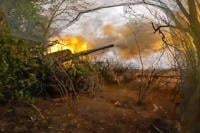
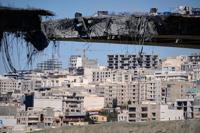
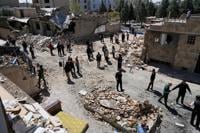
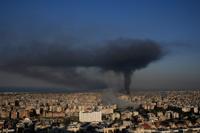
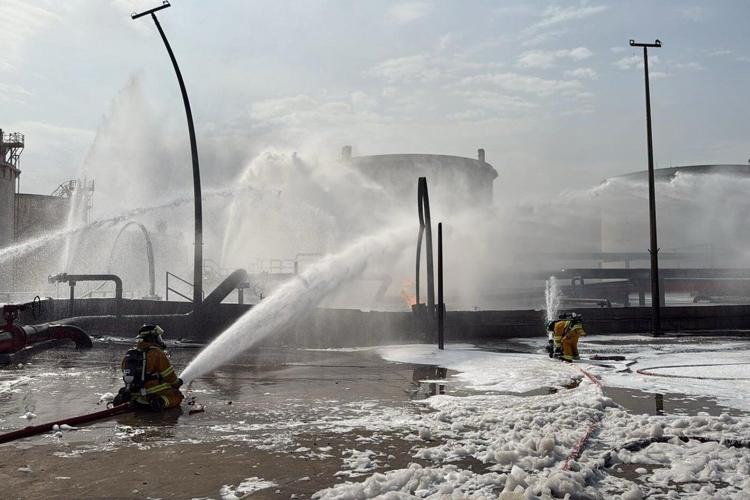
Bahrain has tallied more than 600 Iranian drone and missile strikes, which have killed at least two people and struck infrastructure, including a desalination plant, an oil refinery and an aluminum smelter. Iran has also repeatedly targeted the U.S. Navy's 5th Fleet headquarters.
Some demonstrators have mourned the killing of Iran's Supreme Leader and celebrated strikes on Bahrain, according to videos seen by AP. They also show firebombs being thrown and cars set ablaze.
A father fears his son could be put to death
The day after the war began, 21-year-old Hussein Fatiil and a friend posted social media videos of themselves waving a poster of Iran’s supreme leader at a protest outside the U.S. Embassy. Minutes later, plainclothes officers took them away in an unmarked car.
The men resurfaced hours later, calling home from a police station after being interrogated, Hussein’s father, Naji Fatiil, told the AP.
Three days later, Hussein called his family again and said he’d been charged with five offenses, including misusing social media and inciting hatred and treason, his father said.
“The charges are extremely serious and exaggerate what happened,� he said, adding his son said the protest outside the embassy was peaceful. “Now he might be charged with the most severe punishment. All I want is for my son to have a normal life and not be sentenced to death.�