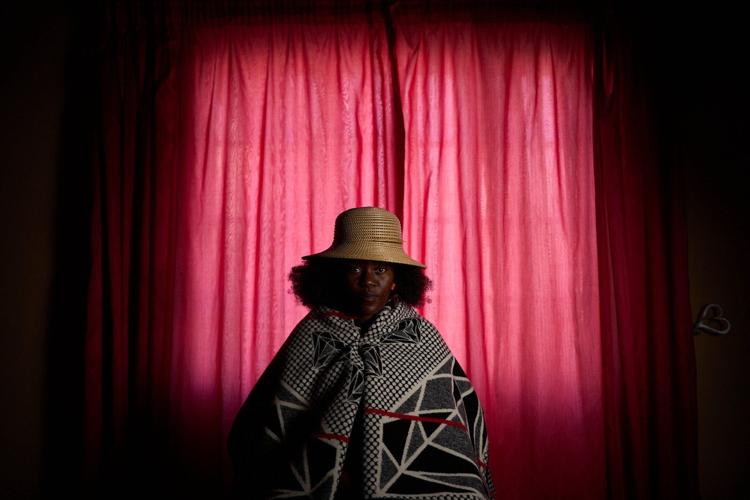
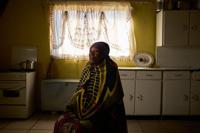
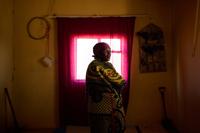
Lisebo Lechela, 53, an HIV-positive sex worker, poses for a portrait in her house in Maputsoe, Lesotho, Thursday, July 17, 2025. Lechela lost her job at a USAID-funded organization that provided medical services and medication to people most vulnerable to HIV and AIDS, including sex workers and gay and transgender people. After her husband died of AIDS, Lechela vowed to work to end the stigma around HIV. "These American donations had changed people's lives," Lechela said. (AP Photo/Bram Janssen)
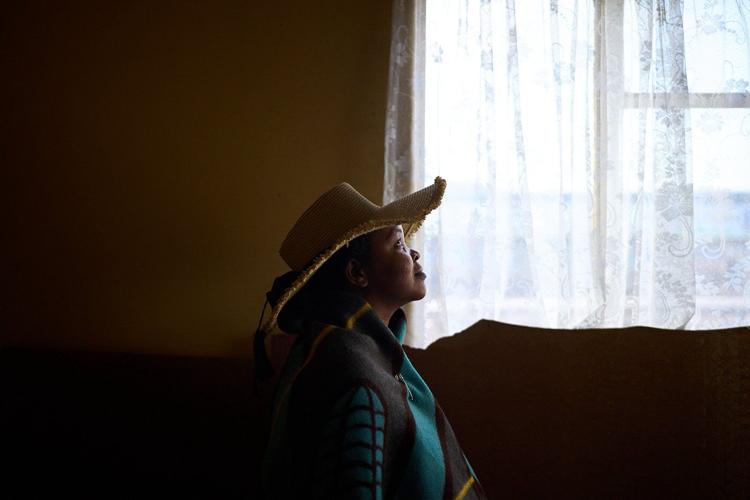
Rethabile Motsamai, 37, who lost her job as an HIV counselor after the USAID cuts, poses for a portrait in Maseru, Lesotho, Sunday, July 20, 2025. Motsamai, a mother of two, has worked since 2016 for U.S.-funded organizations helping people living with HIV across Lesotho. In January, her HIV counselor role was eliminated, leaving many of her patients in isolated communities without access to services. "They'll just stop taking their medication," she said. As of October, Motsamai remained unemployed but hoped she might be hired again. (AP Photo/Bram Janssen)
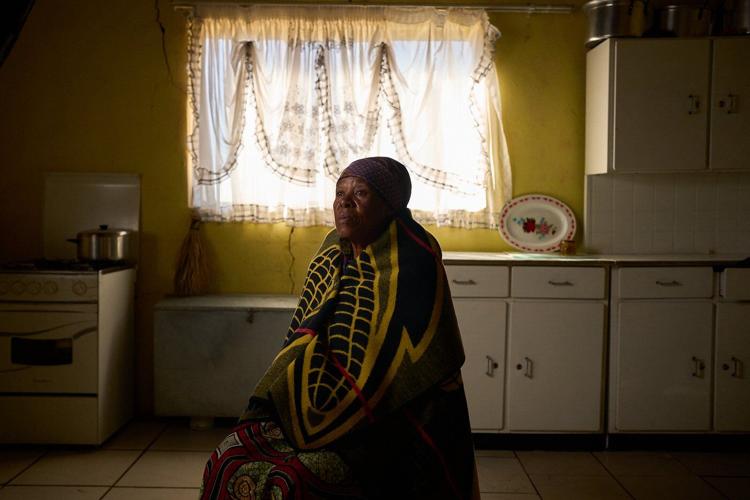
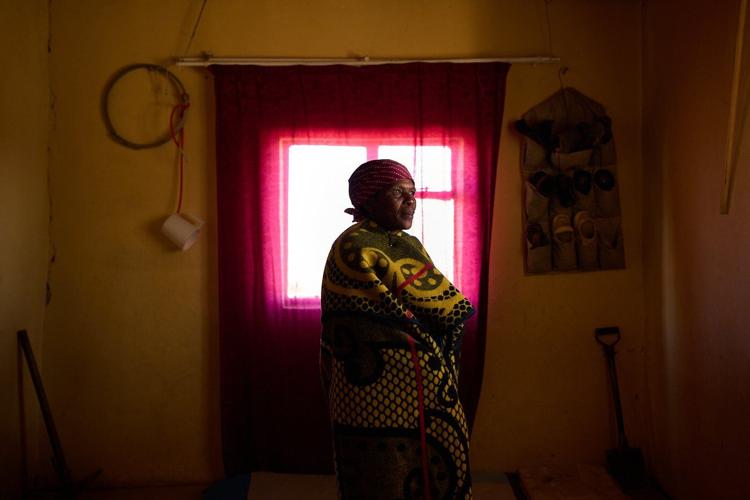
Mapapali Mosoeunyane, 62, poses for a portrait inside her home in Ha Koloboi, Lesotho, Saturday, July 12, 2025. Mosoeunyane leads a peer support group in her village. The aid cuts have caused panic among her neighbors. They remember the early days of the HIV/AIDS epidemic, when a positive test result was akin to being handed a death sentence. Lesotho has made progress in cutting deaths and infections, in large part thanks to nearly $1billion in U.S. aid. Mosoeunyane fears that with less foreign assistance, deaths and infections will rise again. (AP Photo/Bram Janssen)
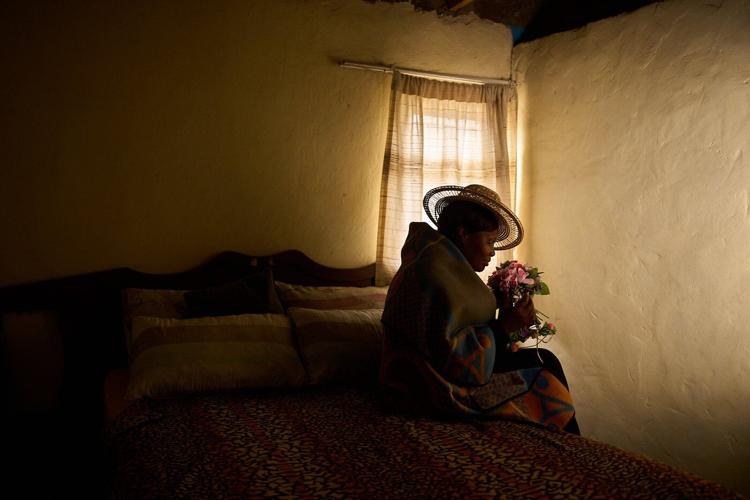
Evelin Kholeli, a massage therapist who is HIV-negative and lost access to the prevention medication known as PreP, poses for a portrait in Maputsoe, Lesotho, Thursday, July 17, 2025. Kholeli worked next door to a USAID-funded walk-in clinic that served people most vulnerable to HIV and AIDS. One day in January, she found the doors of the clinic closed without notice. "I would cry, I was praying that maybe after three months they would come back," she said. "Nothing happened." (AP Photo/Bram Janssen)
Mateboho Talitha Fusi, who is HIV-positive, poses for a portrait in Ha Koloboi, Lesotho, Saturday, July 12, 2025. Fusi is part of a peer-support group in her village, a concept that came about with U.S.-funded programs to help communities and residents live with HIV and support each other during lifelong treatments. Fusi still has access to her medication, but since the aid cuts, she'd been receiving fewer pills in each refill, causing worry for the future. (AP Photo/Bram Janssen)
Lisebo Lechela, 53, an HIV-positive sex worker, poses for a portrait in her house in Maputsoe, Lesotho, Thursday, July 17, 2025. Lechela lost her job at a USAID-funded organization that provided medical services and medication to people most vulnerable to HIV and AIDS, including sex workers and gay and transgender people. After her husband died of AIDS, Lechela vowed to work to end the stigma around HIV. "These American donations had changed people's lives," Lechela said. (AP Photo/Bram Janssen)
BJ
Rethabile Motsamai, 37, who lost her job as an HIV counselor after the USAID cuts, poses for a portrait in Maseru, Lesotho, Sunday, July 20, 2025. Motsamai, a mother of two, has worked since 2016 for U.S.-funded organizations helping people living with HIV across Lesotho. In January, her HIV counselor role was eliminated, leaving many of her patients in isolated communities without access to services. "They'll just stop taking their medication," she said. As of October, Motsamai remained unemployed but hoped she might be hired again. (AP Photo/Bram Janssen)
BJ
Mapapali Mosoeunyane, 62, poses for a portrait inside her home in Ha Koloboi, Lesotho, Saturday, July 12, 2025. Mosoeunyane leads a peer support group in her village. The aid cuts have caused panic among her neighbors. They remember the early days of the HIV/AIDS epidemic, when a positive test result was akin to being handed a death sentence. Lesotho has made progress in cutting deaths and infections, in large part thanks to nearly $1billion in U.S. aid. Mosoeunyane fears that with less foreign assistance, deaths and infections will rise again. (AP Photo/Bram Janssen)
BJ
Evelin Kholeli, a massage therapist who is HIV-negative and lost access to the prevention medication known as PreP, poses for a portrait in Maputsoe, Lesotho, Thursday, July 17, 2025. Kholeli worked next door to a USAID-funded walk-in clinic that served people most vulnerable to HIV and AIDS. One day in January, she found the doors of the clinic closed without notice. "I would cry, I was praying that maybe after three months they would come back," she said. "Nothing happened." (AP Photo/Bram Janssen)
BJ
Mateboho Talitha Fusi, who is HIV-positive, poses for a portrait in Ha Koloboi, Lesotho, Saturday, July 12, 2025. Fusi is part of a peer-support group in her village, a concept that came about with U.S.-funded programs to help communities and residents live with HIV and support each other during lifelong treatments. Fusi still has access to her medication, but since the aid cuts, she'd been receiving fewer pills in each refill, causing worry for the future. (AP Photo/Bram Janssen)
MAPUTSOE, Lesotho (AP) — For the 2.3 million residents of Lesotho, the announcement of massive cuts to the U.S. aid that sustained much of the small African nation’s health care system came as a shock. The country long had one of the world’s highest HIV infection rates but recently made notable progress and hit key milestones in its fight against the epidemic.
Still, an estimated 260,000 HIV-positive people live in Lesotho. And as organizations and clinics that relied on foreign assistance shut down, to life-saving treatment, to testing, to preventative medication, to other crucial services. These patients say this year has been filled with fear and uncertainty, and they worry as they look to the future, even as some programs have been temporarily reinstated.
Throughout Lesotho — known as the kingdom in the sky, as it’s the only country in the world where all its territory is more than 1,000 meters (3,280 feet) above sea level — health workers have been losing their jobs due to the funding cuts. Officials and residents say it’s to their country, after U.S.-imposed tariffs forced factory closures months ago.
A team of Associated Press journalists traveled around Lesotho — from the urban capital of Maseru to isolated rural villages in the mountains and the lowlands — to photograph those affected by the U.S. aid cuts. Sitting at their homes, wearing their traditional Seanamarena blankets and their Mokorotlo straw hats, they posed for portraits and spoke of their fears and hopes in this new reality.
This is a photo gallery curated by AP photo editors.
___ For more on Africa and development: ___ The Associated Press receives financial support for global health and development coverage in Africa from the Gates Foundation. The AP is solely responsible for all content. Find AP’s for working with philanthropies, a list of supporters and funded coverage areas at .