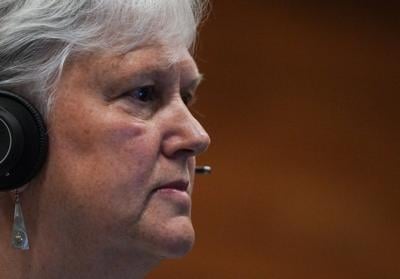
British Columbia's Representative for Children and Youth Dr. Jennifer Charlesworth listens during an online media availability after releasing a report highlighting significant gaps in systems of care for children and youth, in Vancouver, on Tuesday, July 16, 2024. . THE CANADIAN PRESS/Darryl Dyck
British Columbia's Representative for Children and Youth Dr. Jennifer Charlesworth listens during an online media availability after releasing a report highlighting significant gaps in systems of care for children and youth, in Vancouver, on Tuesday, July 16, 2024. . THE CANADIAN PRESS/Darryl Dyck
The toxic drug crisis that has killed thousands of people in British Columbia has had a 鈥渟taggeringly high鈥� impact on the youngest in the province, not only killing hundreds but leaving many more as orphans, the province's representative for children and youth says.聽
Coroner鈥檚 data shows that in the 10 years since British Columbia declared a public health emergency, 232 people, aged 18 and younger have died from overdoses.
Jennifer Charlesworth said about two thirds of those children and youth were in government care or receiving government services when they died, and 67 per cent had a mental health condition.
鈥淲hile the number of young people who are dying is relatively small, the number of young people who are experiencing injuries is staggeringly high,鈥� she said Wednesday, referring to young people who suffer a brain injury from oxygen deprivation after surviving an overdose.
鈥淭hey are also experiencing all sorts of other things. We see a tremendous number of young people who are being assaulted, especially sexually assaulted, exploited, trafficked, etc.鈥�
Charlesworth said there are also children who are losing parents or siblings to overdose.
鈥淭he shadow of this horrific crisis is on the loss that children are experiencing. So, a staggering number of children become orphans, for lack of a better word, as a result of parental death,鈥� she said.
The Office of the Representative for Children and Youth investigates deaths or injuries of children who are in government care or who have received services in the year prior.
Charlesworth said many of the youth her office sees have overlapping concerns along with their substance use, including mental health issues or disabilities.
鈥淲e have is a system that is struggling to respond to people, young people who use substances, to protect them from significant injuries and death, but it's also laid on a system that's struggling to address mental health concerns or disability concerns or school inclusion,鈥� she said.
鈥淪o, when we take a look at a system and a system鈥檚 response, we have to recognize that those intersections are really important.鈥�
While there have been some improvements, demand is outstripping what supports are available, even as the provincial government has increased services in some places, she said.聽
Charlesworth said the province needs a comprehensive plan to address the crisis for young people, something she has been calling for since 2018.
She said she's frustrated by 鈥渁n explosion鈥� of misinformation, blame, stigma and discrimination that is preventing young people from getting help and making people "afraid to act," as rhetoric around drug policy increases and is politicized.
People in 2018 were willing to have conversations about harm reduction, and recognize that perhaps the province needed overdose prevention sites for youth or better access to the overdose reversal drug naloxone, she said.聽
"What's happened in this period of time since then, is it's become more and more polarized. It's not evidence informed, and there's a lot of what I would call moral panic," Charlesworth said.聽
"I understand it, we can't fathom that a young person at the age of 12 is using substances and could die. But the reality is that we have a highly poisoned and highly addictive array of substances out there, young people will use as they have always used, but now it's Russian Roulette and we need to figure out how to give that full range from harm reduction through to treatment."
More than 18,000 people have died of overdoses in B.C. since the province declared the emergency in April of 2016
The BC Coroners Service says toxic drugs are the leading cause of death for people aged 10 to 59 in B.C.
This report by 国产诱惑福利 was first published April 22, 2026